Building Resilient Fences for Extreme Weather Conditions on Ranches Jun 16, 2026
Ranch fences serve multiple purposes—keeping livestock secure, defining property boundaries, and protecting crops. However, to withstand extreme weather, these fences need to be more than just barriers; they must be fortresses. The journey to creating such durable defenses begins with choosing the right materials.
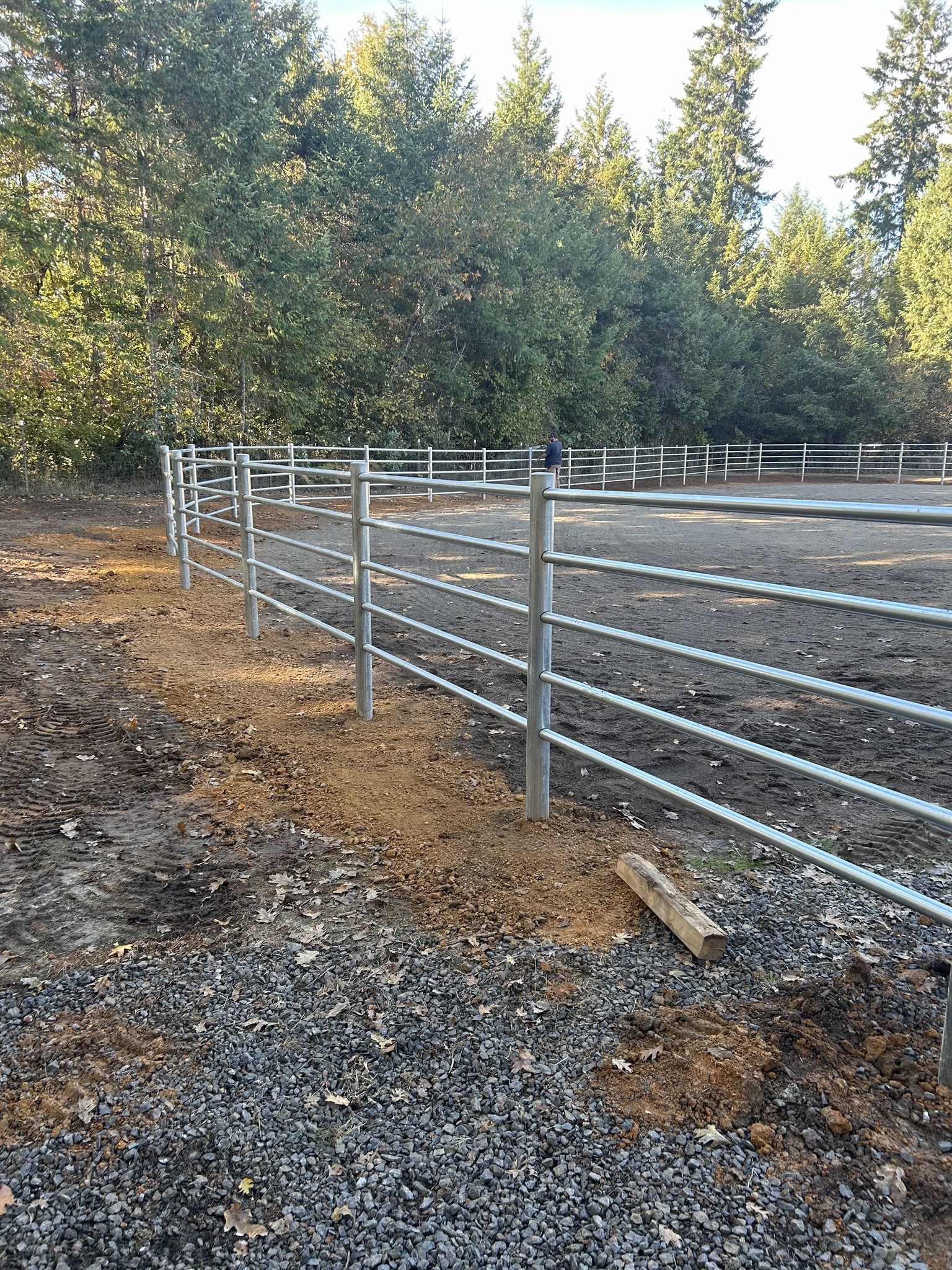
Opting for high-quality fencing materials is the cornerstone of resilience. Weather-resistant woods, such as cedar, can endure both moisture from heavy rainfall and prevent decay. Metal, particularly galvanized steel or aluminum, offers exceptional durability, resisting rust and wear from the elements. Using treated wood posts with metal-topped posts can also enhance a fence's longevity.
The design of the fence is as crucial as the materials used. A fence's construction should consider the specific types of extreme weather it will face. In areas prone to high winds or hurricanes, for example, a rail fence with closely spaced vertical support can prevent the structure from being overpowered by gusts. Additional bracing and deeper post insertion can provide further stabilization against windy conditions.
Installation techniques are another pivotal factor. Secure anchorage is essential; posts should be buried at least three feet deep in the ground and reinforced with concrete footings. This extra depth prevents the posts from becoming uprooted during heavy rains or high winds. Furthermore, setting posts closer together can reduce the likelihood of the fence swaying under pressure.
Maintenance plays an ongoing role in ensuring fence durability. Regularly inspect your fences for any wear and tear, such as rot in wooden posts or rust on metal components. Promptly addressing these issues can prevent minor problems from escalating into significant structural failures. Additionally, applying protective coatings or sealants to wooden elements can help repel water and reduce weathering damage.
Incorporating innovative technology can elevate a fence’s resilience. For example, integrating flexible metallic or composite materials into fencing designs may allow fences to absorb impact or flex under extreme conditions, minimizing damage. Smart technology, such as sensors, can alert ranch hands to potential breaches or structural weaknesses, allowing for proactive measures to be taken before the next weather event hits.
Community support and expert advice should not be overlooked. Ranchers should seek guidance from local fencing experts like those at Ranch Handy Fencing & Cattle LLC, who understand regional weather patterns and can recommend tailored solutions. Collaborating with neighbors or joining local agricultural groups can also be beneficial for exchanging strategies and resources.
In conclusion, building resilient fences for ranches in extreme weather conditions is a strategic process that involves careful planning and execution. By investing in quality materials, appropriate designs, rigorous installation, and regular maintenance, ranchers can ensure their fences provide the necessary protection for their property and livelihood. As the climate continues to challenge us with unpredictability, preparation remains the key to safeguarding our ranching pursuits.
/filters:no_upscale()/filters:format(webp)/media/f8feb061-a843-46fd-aba6-9db92a7dc9d8.jpeg)
/filters:no_upscale()/filters:format(webp)/media/a1d75f89-b4a9-4c46-8ffc-998b23cd23c6.jpeg)