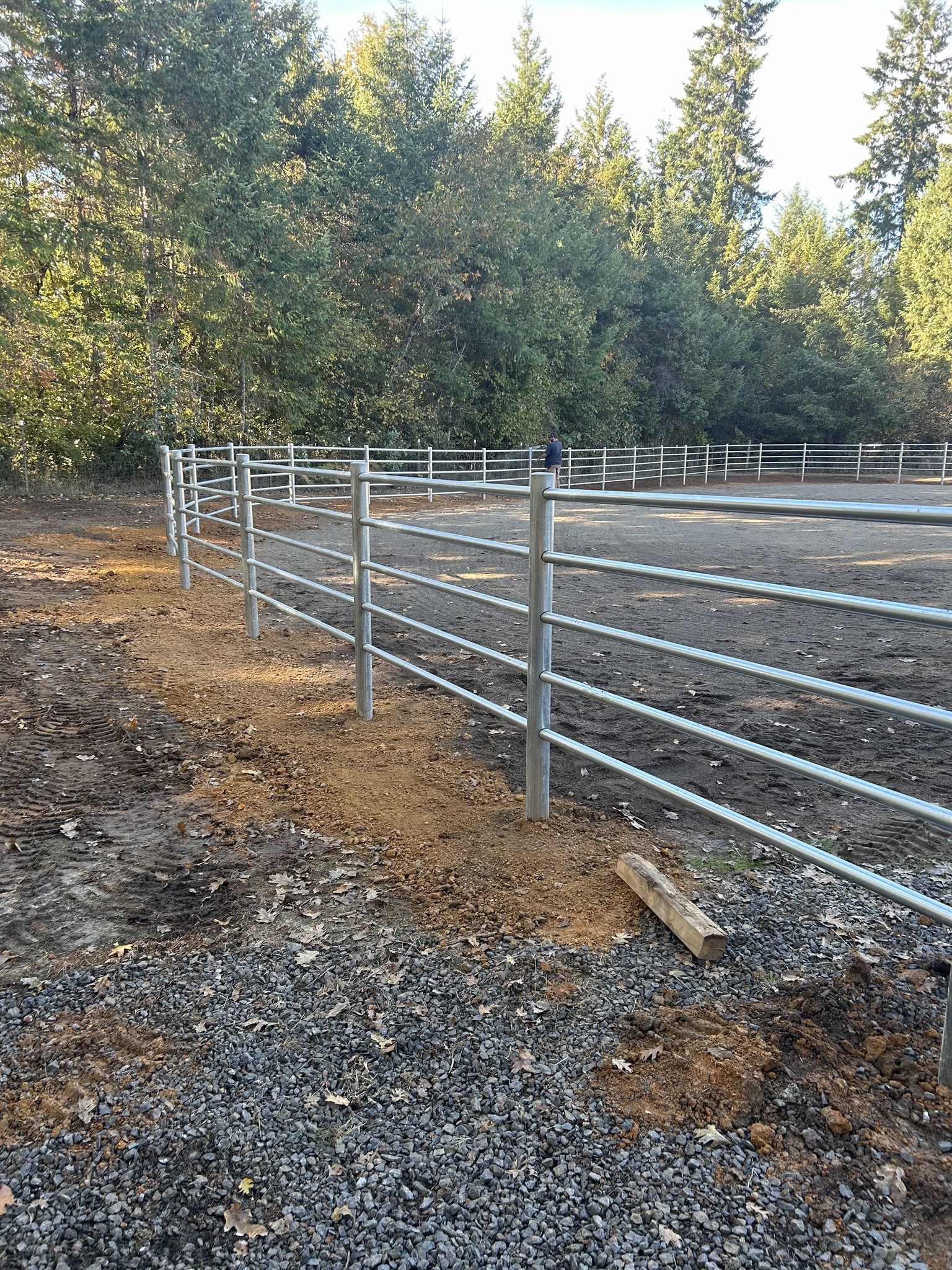
Integrating Wildlife Conservation with Ranch Fencing Strategies Jul 02, 2026
Understanding the Needs
Every ranch and its surrounding ecosystem are unique. Before setting up any fences, it is crucial to assess the specific wildlife species in your area. Identifying the local fauna will inform the types of fencing solutions that are most appropriate. For example, some species may require unobstructed pathways, while others might benefit from fenced-off areas that protect them from potential threats.
Implementing Wildlife-Friendly Fencing
One popular strategy is the use of wildlife-friendly fencing. This type of fence is designed to allow the safe passage of animals while maintaining the integrity of your cattle pastures. Key features often include smooth wires along the top and bottom to prevent injury, with visibility features like flags to ensure animals see and avoid collisions. By consulting with a fencing expert from Ranch Handy Fencing, you can tailor your fencing solutions to accommodate the specific needs of wildlife on your land.
Opt for Adjustable Fencing Solutions
Adjustable fencing is another effective option. This involves using materials and designs that can be modified seasonally or as needed. For instance, lowering the top wire in high-traffic seasons can allow for greater wildlife mobility, while raising it can provide more control over your livestock when necessary. This flexibility supports both cattle management and conservation efforts.
Encouraging Habitat Connectivity
Fencing should not disrupt natural migratory paths. Maintaining habitat connectivity is vital for the survival of many wildlife species. Consider areas of your ranch where fencing can be minimized or made more permeable. For example, implementing strategic openings or corridors at natural crossing points can help preserve these essential pathways without compromising the security of your livestock.
Partnering with Conservation Experts
Collaborating with wildlife conservationists and using products from experienced providers like Ranch Handy Fencing can make a big difference. Conservation experts can offer insights that improve your ranch’s ecological health. They might suggest specific fence placements, modifications, or even alternative land management practices that enhance habitat while meeting your ranching needs.
Monitoring and Adaptation
Regular monitoring is crucial. Observe how wildlife interacts with your fencing over time. Are there signs of distress, or is wildlife moving freely? Use these insights to make necessary adjustments. In some cases, technology such as cameras or sensors can provide valuable data without requiring constant supervision.
Conclusion
Integrating wildlife conservation with ranch fencing strategies is not only beneficial for biodiversity but can also lead to healthier landscapes and more sustainable ranch operations. By adopting wildlife-friendly fencing techniques, prioritizing habitat connectivity, and partnering with conservation and fencing experts, ranchers can effectively balance their agricultural needs with environmental stewardship. As our understanding of ecology grows, so too does the potential for innovative solutions that protect our natural resources for generations to come. At Ranch Handy Fencing & Cattle LLC, we're committed to helping you achieve this balance with the highest quality fencing solutions tailored to your unique landscape.
/filters:no_upscale()/filters:format(webp)/media/f8feb061-a843-46fd-aba6-9db92a7dc9d8.jpeg)
/filters:no_upscale()/filters:format(webp)/media/a1d75f89-b4a9-4c46-8ffc-998b23cd23c6.jpeg)